Houston dog bite lawyer for serious injury claims
Overview
Dog bite injuries can cause lasting harm
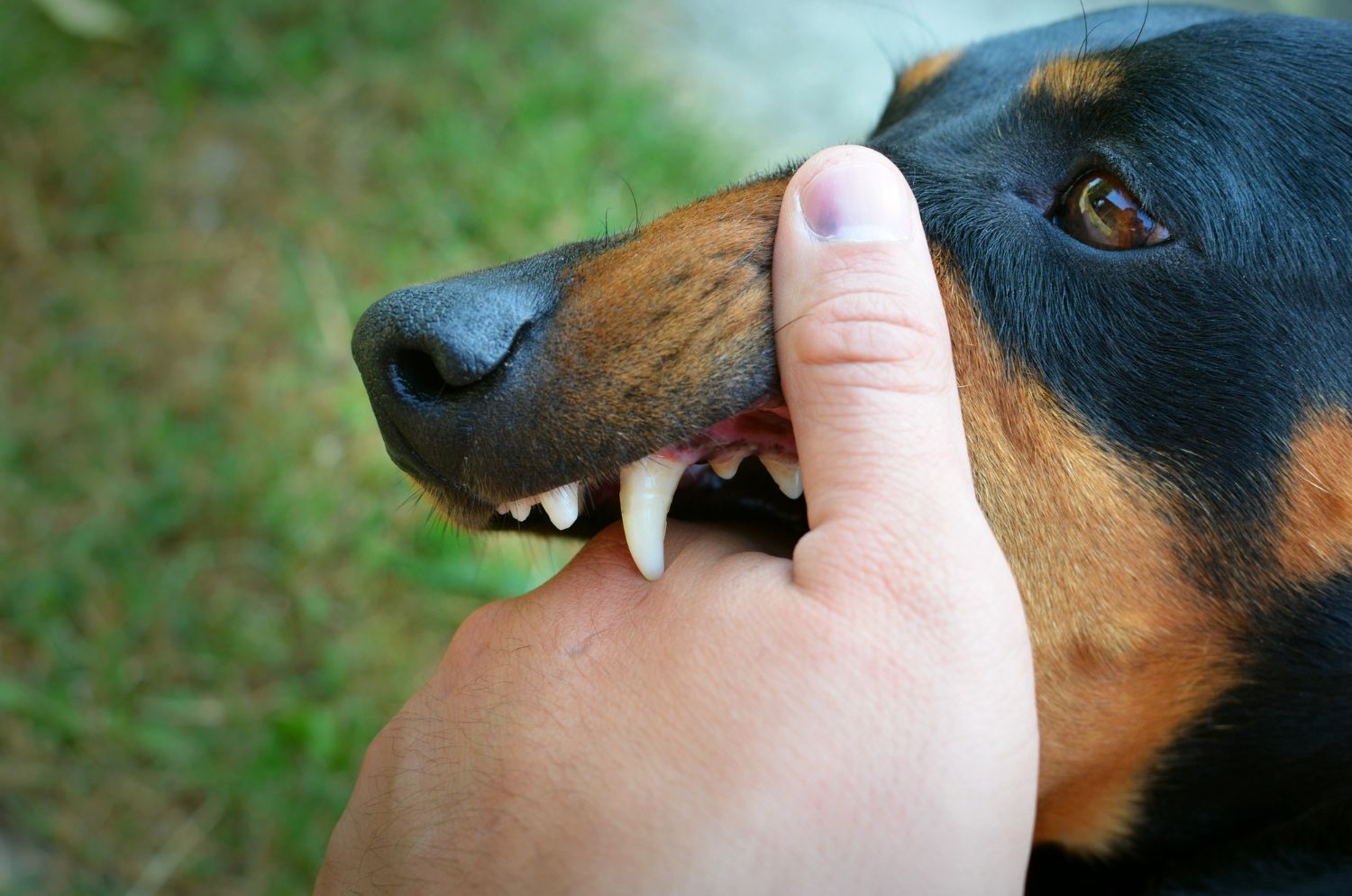
A dog attack happens in seconds. The recovery can take months — stitches, infection treatment, reconstructive surgery, and scars that do not fade. For children, who are bitten most often and most often on the face, the physical and emotional effects can last for years.
Most dog bite claims are paid by the dog owner’s homeowner’s or renter’s insurance company. Before founding this firm, our attorneys worked for insurance companies. We know how adjusters evaluate a dog bite claim, what they look for to reduce it, and how to build a case that holds up.
Why injured Houstonians choose Benjamin Roberts Law:
We know the other side. Our attorneys worked for insurance companies before representing injured people.
You work with your lawyer. We keep our caseload small so your calls are returned.
No fee unless we win. We advance the costs of your case.
We speak your language. English, Spanish, Vietnamese, and Mandarin.
If you or your child was bitten in Houston or Harris County, call (713) 609-1898 for a free consultation.
Liability in Dog Bite Cases
How Texas dog bite law works
Texas does not have a statute that automatically makes every dog owner liable for every bite. Texas courts apply two paths to liability, and a strong claim often uses both.
1. The owner knew the dog was dangerous
Under the Texas Supreme Court’s decision in Marshall v. Ranne, an owner who knew or should have known that the dog had dangerous tendencies can be held liable for the injuries it causes — even if the owner took precautions. Evidence can include earlier bites or attacks, complaints from neighbors or the HOA, animal control records, a “dangerous dog” designation, “Beware of Dog” signs, or a history of lunging and aggressive behavior.
2. The owner was careless
Even when a dog has no known history, an owner can be liable for failing to use reasonable care to control the animal. Common examples include:
- Letting the dog run loose or off-leash in violation of Houston’s leash and restraint rules
- Broken fences, open gates, or unsecured yards
- Leaving a dog unsupervised around children or visitors
- Ignoring warning signs such as growling, snapping, lunging, or earlier near-misses
- Failing to step in and try to stop an attack once it has started
Violating a leash law or other animal ordinance can also be used to prove the owner was negligent. Depending on the facts, others — such as a person caring for the dog, a business that kept the dog on its premises, or a landlord who actually knew about a dangerous dog and could control the property — may also share responsibility.
3. What if the dog never bit anyone before?
A first bite is not a free bite. Texas courts have allowed dog bite claims to go forward where the dog had never bitten anyone, based on evidence such as:
- Growling, lunging, snapping, charging, or knocking people down
- Owners or neighbors describing the dog as aggressive, “mean,” unpredictable, or not good with children or strangers
- How the dog was kept or treated — for example, a dog kept chained as a guard dog, injured, or subjected to conditions that can make an animal fearful and defensive
- An owner who worried about the dog, took private precautions, or kept it away from certain people, but did not warn others
A dog’s breed, standing alone, is usually not enough under Texas case law. But breed combined with the dog’s own history and behavior can be part of the proof. For a rescue dog, what the owner knew about its past — abuse, neglect, or fear-based aggression — can matter a great deal. We investigate adoption and shelter records, veterinary notes, neighbor accounts, and social media posts to find what the owner knew before the attack.
Injuries and Recovery
Injuries, compensation, and next steps
Dog bites and dog attacks can cause:
- Deep puncture wounds and lacerations
- Infections, including cellulitis and serious bacterial infections
- Facial injuries and permanent scarring or disfigurement
- Nerve and tendon damage, especially to the hands and arms
- Broken bones and injuries from being knocked down
- Post-traumatic stress, anxiety, and fear of dogs — particularly in children
Depending on the facts, a claim may seek compensation for past and future medical expenses, reconstructive or plastic surgery, scar revision, lost wages, physical pain, mental anguish, physical impairment, and disfigurement. Disfigurement is a separate category of damages under Texas law, and it is often the most significant part of a claim involving a child.
Where does the money come from?
Most dog bite claims are paid through the owner’s homeowner’s or renter’s liability insurance, not out of the owner’s pocket. Many clients hesitate to make a claim against a neighbor, friend, or family member — but in most cases, the claim is against the insurance policy the owner pays for precisely this situation. Some policies exclude certain breeds or dogs with a bite history, so identifying all available coverage early matters.
What to do after a dog bite in Houston?
- Get medical care right away. Dog bites carry a high risk of infection, and puncture wounds are often deeper than they look.
- Report the bite. The City of Houston asks that every animal bite be reported by calling 311. The report also creates an official record.
- Identify the dog and owner. Get the owner’s name, address, and phone number, and ask for vaccination records.
- Photograph everything. Wounds before and after treatment, torn clothing, the location, and any open gate or broken fence.
- Get witness information. Neighbors often know whether the dog has behaved aggressively before.
- Do not give a recorded statement to the owner’s insurer. Adjusters use early statements to argue you provoked the dog.
- Call a lawyer before accepting any offer. Scarring and nerve damage often are not fully understood until healing is complete.
Deadlines and defenses
In most Texas personal injury cases, a lawsuit must be filed within two years of the injury. For children, the deadline generally does not begin to run until the child turns 18 — but evidence, witnesses, and the dog’s records are far easier to secure in the first weeks.
Insurers often argue that the victim provoked the dog, was trespassing, or ignored a warning. In negligence cases, Texas’s proportionate responsibility rule bars recovery if the injured person is found more than 50% responsible, and a lower percentage reduces the recovery. We investigate early to answer these arguments with facts.
FAQs
Dog bite injury questions
Is the dog owner always responsible for a bite?
Not automatically. Texas requires proof either that the owner knew or should have known the dog was dangerous, or that the owner failed to use reasonable care to control it. Many cases can be proven both ways.
What if the dog had never bitten anyone before?
You may still have a claim. Texas courts have recognized that growling, lunging, knocking people down, and an owner's own descriptions of a dog as aggressive can show the owner was on notice, even with no prior bite. An owner can also be liable for careless handling, such as letting the dog loose in violation of a leash law or failing to stop an attack.
Does the dog's breed matter?
It can, but rarely by itself. Texas courts generally want evidence about the particular dog, not just its breed. Breed becomes meaningful when it is combined with the dog's own behavior, training, or history, for example a dog used as a guard dog or a rescue dog with a known history of abuse.
The dog was a rescue. Does that change anything?
It may. If the owner knew the dog came from an abusive or neglectful situation, or was warned by the shelter or rescue group about fear or aggression, that knowledge can help show the attack was foreseeable. Adoption paperwork and shelter notes are often key evidence.
Who pays for my medical bills?
In most cases, the dog owner's homeowner's or renter's insurance. Your own health insurance may pay first, and it may later seek reimbursement from the settlement. We handle those reimbursement claims as part of the case.
My child was bitten by a neighbor's or relative's dog. Can we still make a claim?
Yes. These claims are usually paid by the owner's insurance policy, not by the owner personally. Children's claims also involve future medical care and scar revision, which should be evaluated by a doctor before any settlement.
Do I have to report the bite?
The City of Houston asks that all animal bites be reported by calling 311. The report helps confirm the dog's rabies status and creates an official record of the attack.
How long do I have to file a claim?
Generally two years from the date of the bite, with extended time for children. Do not wait. Early investigation preserves the evidence that proves the owner's knowledge or negligence.
What if I was bitten while working, for example delivering mail or a package?
You may have both a workers' compensation claim (if your employer carries it) and a separate claim against the dog owner. A Houston appeals court allowed a mail carrier's negligence claim to proceed against an owner who left a large dog tethered in the front yard, even though the dog had no history of aggression. Call us to sort out which claims apply.
Speak With an Attorney
Free consultation available
If you or your child was hurt in a dog attack anywhere in Houston or Harris County, we can review what happened, identify the insurance coverage, and explain your options. The consultation is free and confidential. Call (713) 609-1898, email ben@benjaminrobertslaw.com, or use the chat on this page.